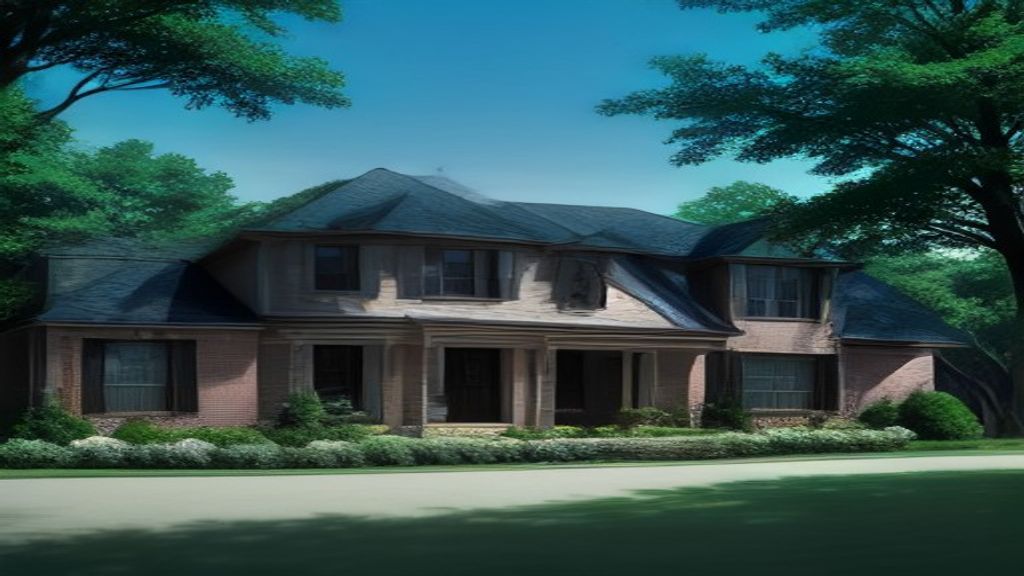
Moving to Broken Arrow, OK: Your 2026 Guide to Tulsa's Top Suburb
Why Broken Arrow Is Drawing New Residents in 2026
Broken Arrow sits just southeast of Tulsa and has quietly become one of Oklahoma's most sought-after suburbs. With a population topping 120,000, it offers the space and pace of suburban living without sacrificing access to big-city amenities. If you're considering moving to the Tulsa metro area, Broken Arrow deserves a serious look — and this guide breaks down everything you need to know before packing a single box.
Housing Market Overview for 2026
The Broken Arrow housing market remains approachable compared to national averages. According to recent data, the median home value in the broader Tulsa metro hovers around $221,000, while Broken Arrow specifically trends slightly higher at approximately $280,000–$310,000 depending on neighborhood and home size. Homes typically go pending in about 20 days, giving buyers a reasonable window to evaluate options without the breakneck pace of hotter markets.
Inventory has improved modestly heading into 2026, meaning buyers have more choices than they did during the peak pandemic years. Interest rates have stabilized in the mid-6% range, and local experts project home price growth of 2–4% for the year — steady, sustainable appreciation rather than a rollercoaster.
If you're a first-time home buyer in the Tulsa area, Broken Arrow offers some of the best value per square foot in the region, especially in neighborhoods south of the Creek Turnpike.
Top Neighborhoods to Consider
Broken Arrow isn't a monolith — different pockets offer very different lifestyles. Here's a breakdown of the areas generating the most buyer interest in 2026:
- Forest Ridge / Rose Creek: Golf-course-adjacent communities with established homes from the 1990s and 2000s. Expect mature trees, larger lots, and home prices in the $300K–$450K range.
- Stone Wood / Lynn Lane Corridor: Newer construction with modern floor plans. Popular with families thanks to newer schools nearby. Prices typically range from $250K to $400K.
- Old Town Broken Arrow: Near Main Street and College Street. Smaller, character-rich homes on tree-lined streets. A great fit for buyers who want charm and walkability. Prices start in the $180Ks.
- 81st & 101st Corridor: The fastest-growing zone, with new builds and master-planned communities. You'll find the widest selection of move-in-ready homes priced from $275K to $500K+.
Cost of Living: How Broken Arrow Compares
One of Broken Arrow's biggest draws is its cost of living, which runs about 8% below the national average. Oklahoma's overall tax burden is among the lowest in the country, and Broken Arrow benefits from:
- Property taxes: Approximately 0.9% of assessed home value — well below the national average of 1.1%.
- Utility costs: Roughly 12% lower than the U.S. average, thanks to Oklahoma's abundant natural gas and wind energy resources.
- Groceries and healthcare: Both run 5–10% below national averages.
- No state sales tax on groceries: Oklahoma eliminated the state portion of grocery sales tax in 2024, and Broken Arrow's local grocery tax is being phased out through 2026.
For a family earning $75,000 annually, the overall savings versus living in a coastal metro can easily exceed $15,000 per year.
Schools and Education
Broken Arrow Public Schools is the largest district in the Tulsa suburbs and one of the largest in Oklahoma, serving over 19,000 students across 26 campuses. The district offers a broad range of AP courses, career-tech programs, and extracurriculars. Several elementary schools in the southern part of the city consistently receive high marks from the Oklahoma State Department of Education.
For families considering private or faith-based options, Broken Arrow has several well-regarded private schools, including Holland Hall's satellite programs and Victory Christian School just minutes away in Tulsa. Local amenities like community parks, youth sports leagues, and the Broken Arrow Community Playhouse round out the family-friendly environment.
Commuting and Transportation
Broken Arrow's location is a major selling point. The Creek Turnpike connects the city directly to south Tulsa in about 15 minutes, and downtown Tulsa is a 20-minute drive in normal traffic. The Broken Arrow Expressway (SH-51) provides a direct shot into downtown Tulsa from the north side of the city.
For those who travel, Tulsa International Airport is approximately 25 minutes away by car. Most residents rely on personal vehicles — public transit is limited to the Metropolitan Tulsa Transit Authority's bus routes, which extend into parts of Broken Arrow but don't cover the entire city.
Things to Do in Broken Arrow
Don't let the "suburb" label fool you — Broken Arrow has a growing entertainment and dining scene of its own:
- Rose District: The revitalized downtown area with local restaurants, boutiques, seasonal farmers' markets, and outdoor concerts during summer months.
- Bass Pro Shops: One of the largest in the region, drawing visitors from across northeastern Oklahoma.
- Broken Arrow Performing Arts Center: Hosts touring Broadway shows, concerts, and local productions.
- Nienhuis Park and Tiger Creek Nature Trail: Miles of walking and biking trails through wooded terrain.
- Events: Rooster Days (Oklahoma's oldest festival), Kidz Bop Live, and the Broken Arrow Christmas Parade are annual highlights.
What to Expect When Buying a Home in Broken Arrow
The buying process in Broken Arrow follows Oklahoma's standard real estate practices. Here's what to plan for:
- Closing timeline: Typically 30–45 days from accepted offer to closing.
- Inspection period: Oklahoma contracts generally allow 10 days for inspections. Given the mix of older and newer homes, a thorough inspection is essential.
- Ernest money: Usually 1% of the purchase price, deposited within 2–3 business days of contract acceptance.
- Title insurance: Oklahoma is a title-theory state. Title insurance is required by most lenders and recommended even for cash buyers.
One advantage of buying in Broken Arrow versus Tulsa proper: you'll often find larger lots, newer construction, and lower competition for the same price point.
Should You Rent or Buy First?
If you're relocating from out of state, you might wonder whether to rent before buying. Broken Arrow's rental market is tight but not impossible — average rent for a 2-bedroom apartment runs $1,100–$1,400 per month. Given that mortgage payments on a $280,000 home (with 20% down at 6.5%) can be comparable to rent, many transplants choose to buy within their first few months.
The trade-off: renting gives you time to explore neighborhoods in person before committing. If you have the flexibility, a 6-month lease while you house-hunt can be a smart move.
Ready to Make Broken Arrow Home?
Broken Arrow combines affordability, strong schools, and genuine community character — all within 20 minutes of downtown Tulsa. Whether you're relocating for work, retiring, or simply trading a higher-cost city for more space, this suburb delivers serious value in 2026.
The best next step? Talk to someone who knows the neighborhoods, the inventory, and the local market trends firsthand. Reach out to Rachel Sells, or browse client reviews to see what other Broken Arrow and Tulsa-area buyers have to say. Your move starts with a conversation — just ask.